
 &
& 


Most jewellery cleaning advice is aimed at reactive silver and does more harm than good on anything else. The safe routine is short: a dry microfibre cloth for everyday dullness, warm water with a drop of plain soap for anything the cloth will not lift, and nothing abrasive, ever.
The two-minute routine
- Buff with a dry microfibre cloth - this removes skin oils and most marks with no chemicals at all
- If it needs more, use warm water and a drop of plain soap - a minute in the water, no soaking
- Work engraved areas with a soft toothbrush - along the letters, not across them
- Rinse in clean water - soap residue dulls a finish faster than dirt does
- Dry completely with a soft cloth - including inside settings and around closures
How do you clean an engraved piece without dulling it?
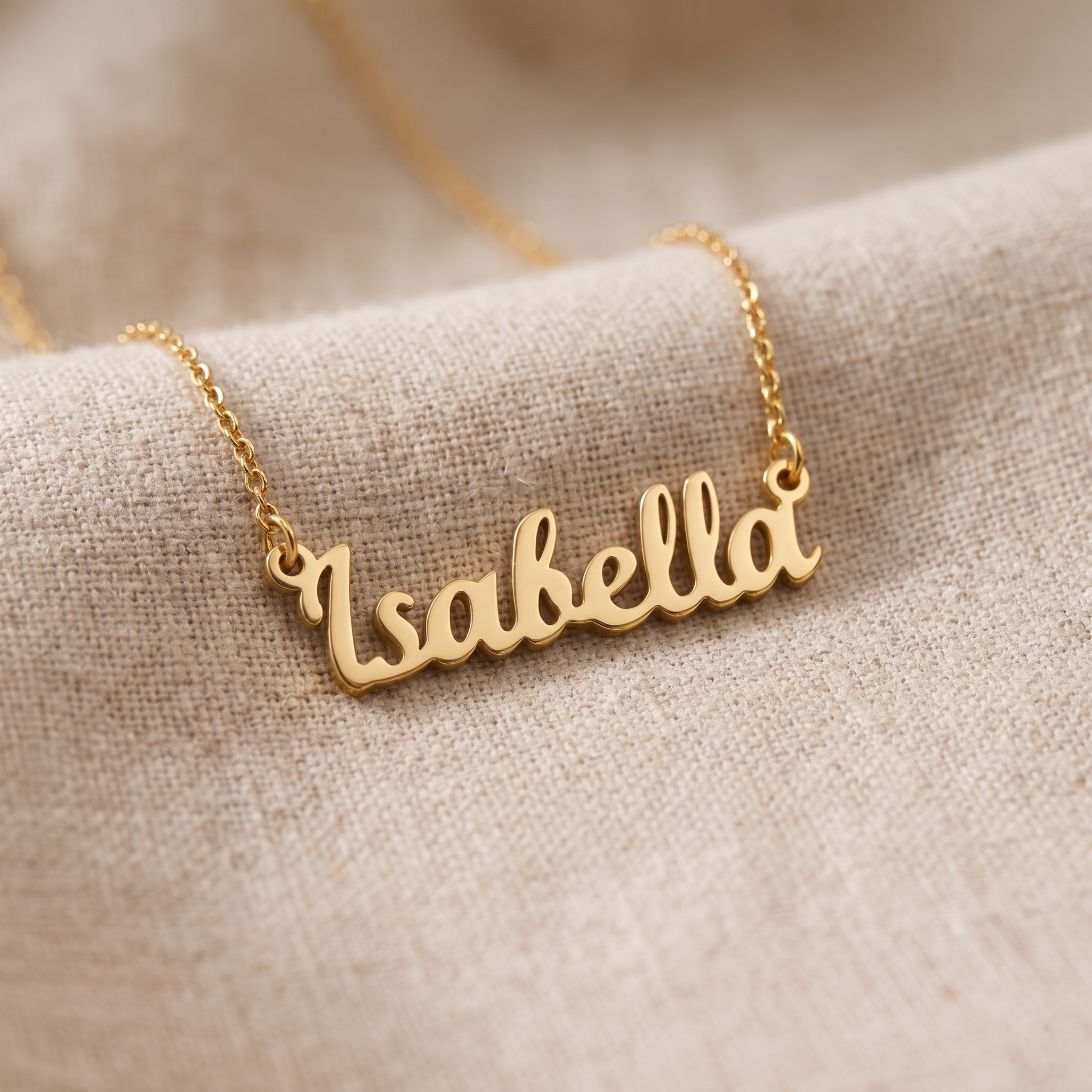
This is where most damage happens. Polishing pastes and cleaning creams fill engraved lettering with residue, which dries pale and kills the contrast that makes an inscription readable. On any engraved piece use water, soap and a soft brush only, working along the direction of the letters. If the lettering already looks flat and grey, that is usually residue rather than wear, and a soft brush with warm water will lift it out.
What should you never use?
- Toothpaste and baking soda - both are abrasives and will permanently scratch a polished finish
- Chemical silver dips - formulated for reactive silver alloys and unnecessary on tarnish-resistant tones
- Ultrasonic cleaners - fine for solid metal, risky for set stones, lockets and anything with a closure
- Bleach or any chlorine cleaner - damaging to almost every metal and every finish
- Paper towel - more abrasive than it looks; use a soft cloth
Does tarnish-resistant jewellery need polishing at all?
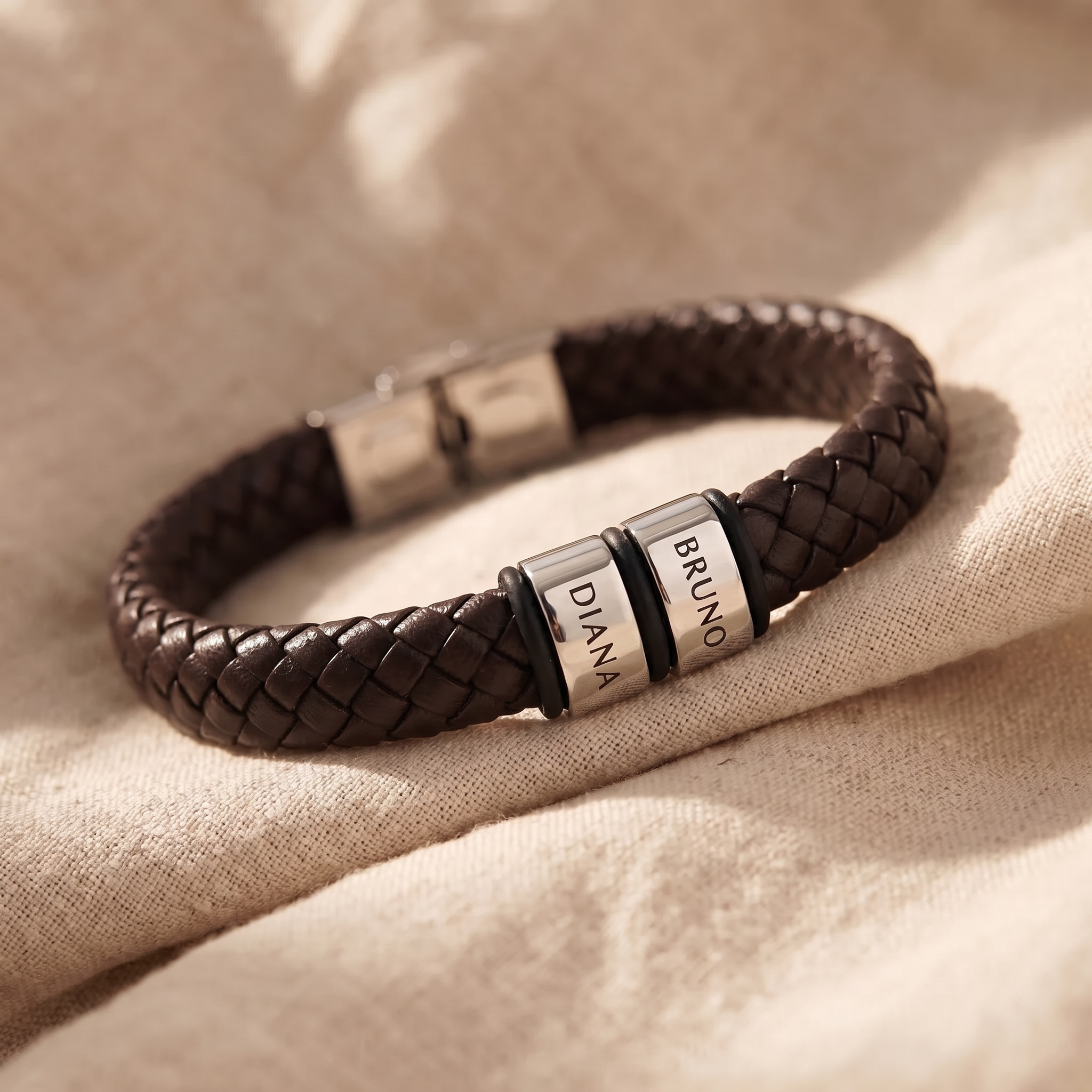
No. Monel Silver, Moneil Gold and Moneil Rose Gold are tarnish-resistant, so there is no film to remove and nothing for a polish to restore. What builds up on them is ordinary grime, skin oil and product residue, all of which come off with soap and water. Polishing an unnecessary surface only wears it.
Belle Fever uses Monel Silver, Moneil Gold and Moneil Rose Gold, waterproof and tarnish-resistant tones at a minimum 1.5mm thickness with deep laser engraving cut into the metal rather than marked on its surface. That is what keeps an inscription legible after years of daily handling.
How do you clean pieces that are not solid metal?
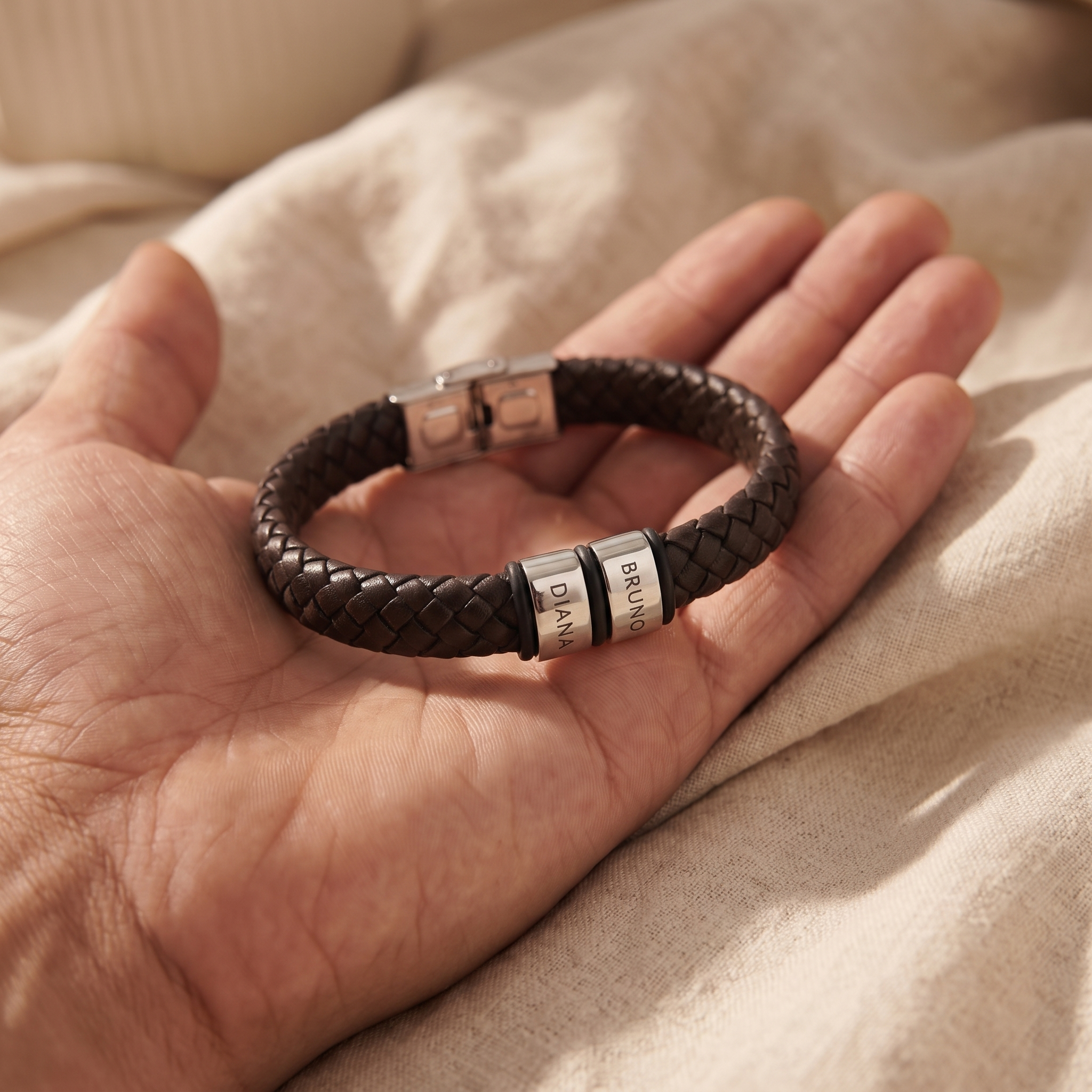
Carefully and separately. Leather components on a leather bracelet should be kept dry and wiped rather than washed. Set crystals are fine with soap and water but should not be soaked or scrubbed at the setting. A filled cremation pendant should be wiped only, never immersed, with the closure checked before and after. An engraved name necklace is solid metal and can be washed normally.
Frequently asked questions
How often should I clean my jewellery?
A dry buff whenever it looks dull, and a proper wash every month or two if it is worn daily. More often than that is usually counterproductive, particularly on engraved pieces.
Does toothpaste clean jewellery?
It cleans and scratches at the same time. Toothpaste and baking soda are mild abrasives, which is fine for enamel and wrong for a polished metal finish. A dry microfibre cloth does the job without the damage.
Why does my engraving look grey and flat?
Usually residue rather than wear. Polish and cleaning creams collect in the recesses and dry pale, which flattens the contrast. Warm water and a soft toothbrush worked along the letters will lift it out.
Can I use a silver dip?
Not on tarnish-resistant tones, where it is unnecessary, and not on engraved pieces or anything with set stones or a closure. Silver dips are formulated for reactive silver alloys and are aggressive on everything else.
Can I put jewellery in an ultrasonic cleaner?
Solid metal pieces generally tolerate it, but avoid it for set crystals, lockets, leather components and any cremation piece with a closure. When in doubt, soap and water does the same job with none of the risk.
