
 &
& 


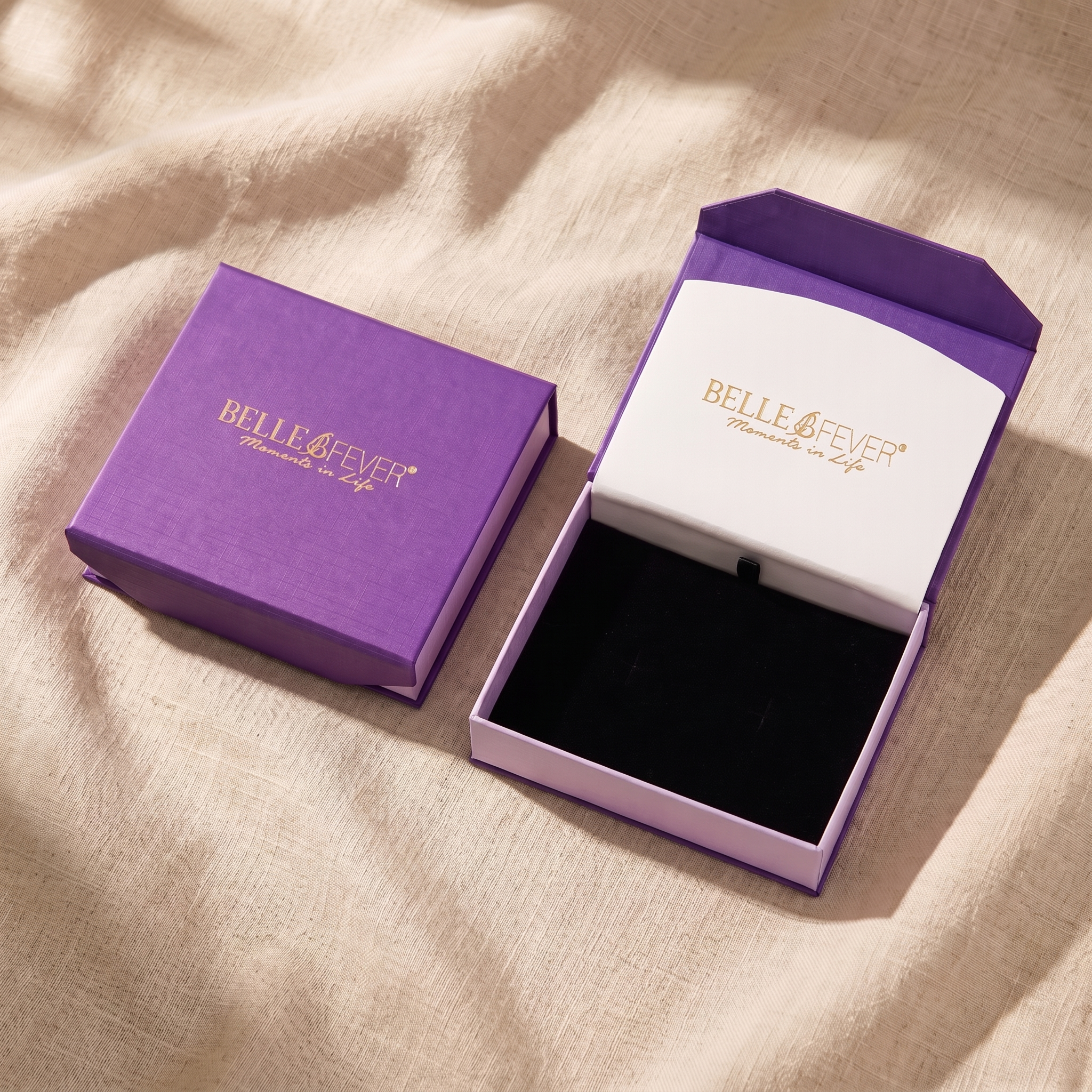
Jewellery storage solves two problems, and only one of them is tarnish. The other is physical: chains tangle, harder pieces scratch softer ones, and cut-out letters catch on everything. Separation fixes the second entirely, and dryness fixes most of the first.
What are the rules, shortest version?
- Separate every piece - a pouch or a lined compartment each, so nothing tangles or scratches
- Keep it dry - a bathroom shelf is the worst place in the house, a bedroom drawer among the best
- Keep it dark - UV fades leather, cord and some stone settings even when metal is unaffected
- Lay chains flat - hanging stretches fine chains over years, and coiling tangles them
- Add a silica packet - the ones from packaging, kept in the box, absorb ambient moisture for months
Do tarnish-resistant pieces need special storage?
Less than most advice assumes. Monel Silver, Moneil Gold and Moneil Rose Gold are tarnish-resistant and waterproof, so anti-tarnish strips and airtight bags are unnecessary for them. What they still need is physical separation, because scratching and tangling are mechanical problems that no finish protects against. If you own both reactive silver and tarnish-resistant pieces, store them apart and give the silver the anti-tarnish measures.
How should you store different types?
- Fine chains - laid flat and straight, or fastened through a slot so they cannot coil
- Custom-cut name pendants - flat and separate, since fine letter joins catch on other pieces
- Rings - in a slotted roll or individual compartments, never loose in a dish together
- Leather bracelets - dry, flat and out of sunlight, because leather ages differently to metal
- Cremation and locket pieces - closed and upright, with the closure checked before storing
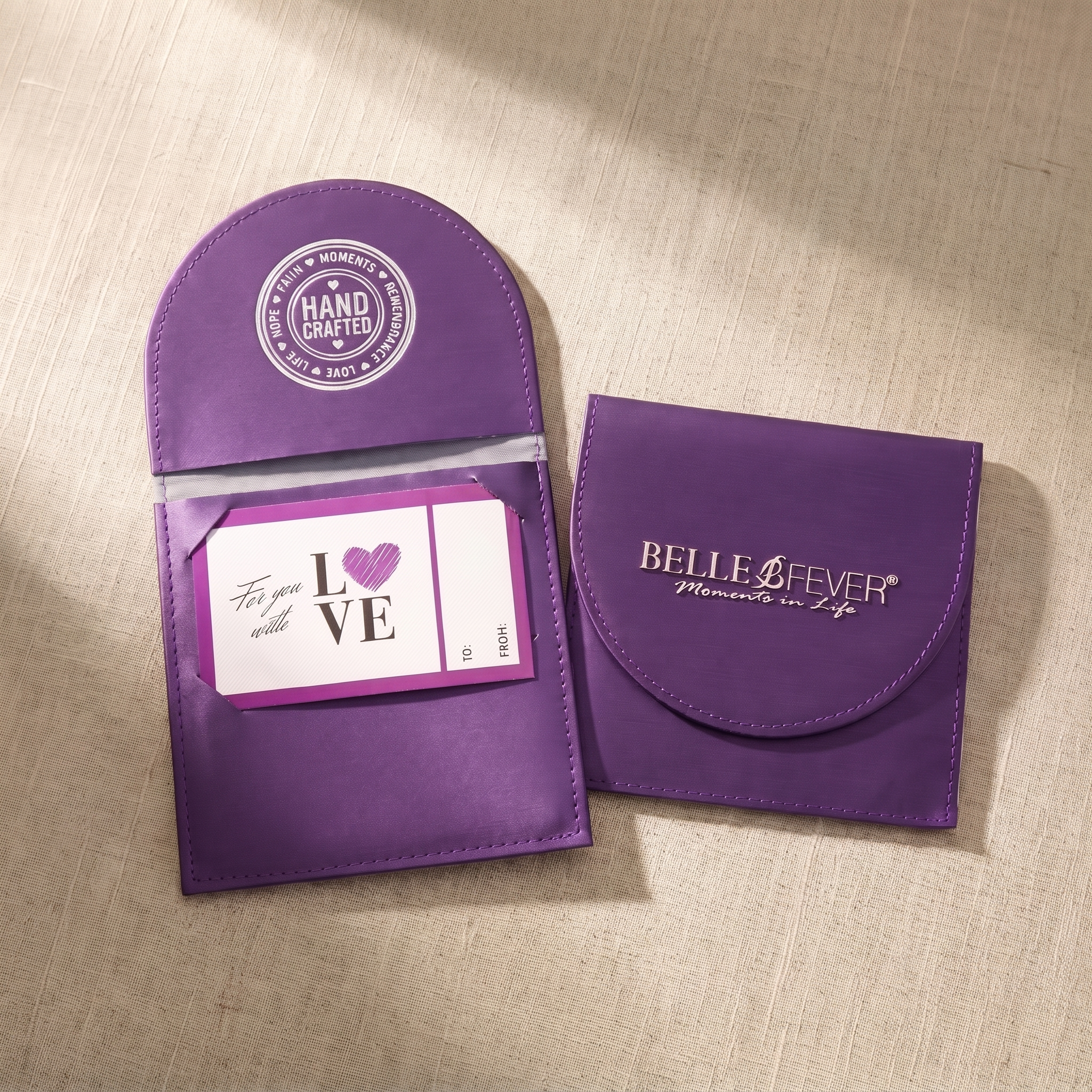
A lined gift box or a display wallet does this on a bedside table without looking like storage.
How should you pack jewellery for travel?
Thread each chain through a drinking straw or fasten it through a buttonhole so it cannot coil, put every piece in its own small pouch, and keep the lot in hand luggage rather than checked. A pill organiser works better than most travel jewellery cases for rings and studs, because each compartment closes separately.
Frequently asked questions
Should jewellery be stored in the bathroom?
No. It is the most humid room in the house, and humidity accelerates tarnish on reactive metals and does nothing good for leather or cord. A bedroom drawer is the better default.
Do I need anti-tarnish strips?
Only for reactive silver alloys. On tarnish-resistant tones they are unnecessary. What every piece needs regardless is physical separation, since scratching and tangling are mechanical rather than chemical.
How do I stop fine chains tangling?
Store them laid flat and straight rather than coiled or hanging, each in its own pouch or slot. For travel, thread the chain through a drinking straw before fastening it.
Is it bad to hang necklaces up?
For heavier pendants on fine chains, over years, yes. Constant hanging tension stretches a fine chain. Flat storage avoids it, and it also keeps pendants from knocking against each other.
How should I store a filled cremation pendant?
Upright and closed, with the screw closure checked before putting it away, in its own compartment so nothing knocks against it. Most people wear these rather than store them, but the same applies when they do come off.
